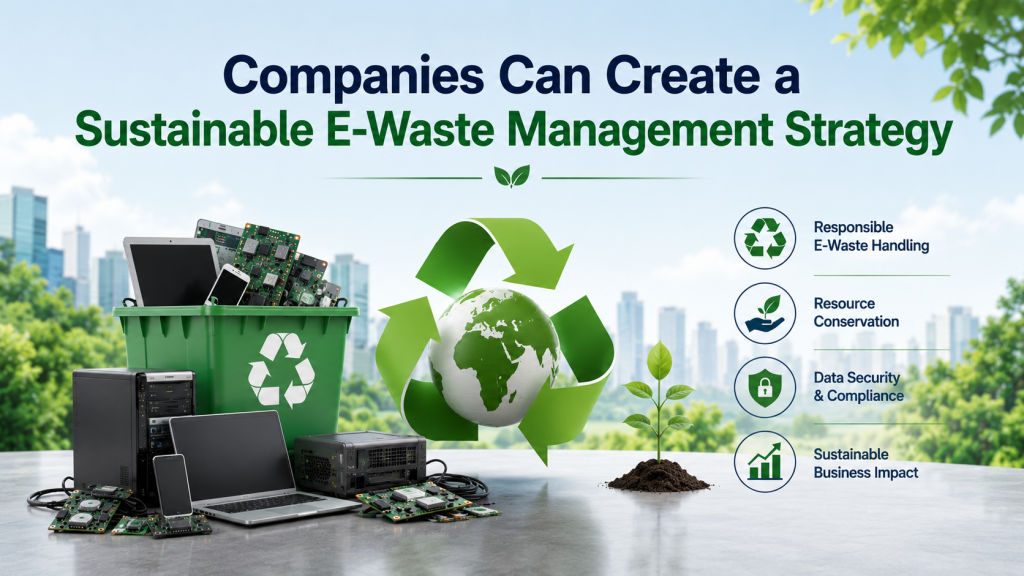
As businesses continue to expand their technology infrastructure, managing electronic waste has become a critical aspect of corporate governance and regulatory compliance. Large organizations regularly retire laptops, desktops, servers, storage devices, mobile phones, networking equipment, PCBs, cables, and other electronic assets. Without a structured disposal process, organizations may face compliance gaps, data security risks, and operational challenges. Establishing an Audit-Ready E-Waste Process helps businesses maintain transparency, simplify inspections, and demonstrate responsible environmental practices.
An organized e-waste management system not only supports regulatory compliance but also strengthens sustainability initiatives and corporate governance.
Why an Audit-Ready E-Waste Process Is Essential
Large enterprises handle thousands of IT assets across multiple departments and locations. As these assets reach the end of their lifecycle, organizations must ensure they are securely collected, documented, and recycled through authorized channels.
An Audit-Ready E-Waste Process enables businesses to:
- Maintain complete disposal records
- Protect sensitive business information
- Demonstrate regulatory compliance
- Improve operational transparency
- Support ESG and sustainability reporting
- Prepare confidently for audits and inspections
Partnering with an MPCB-Approved E-Waste Recycler ensures that electronic waste is processed according to approved environmental standards while providing the documentation required during audits.
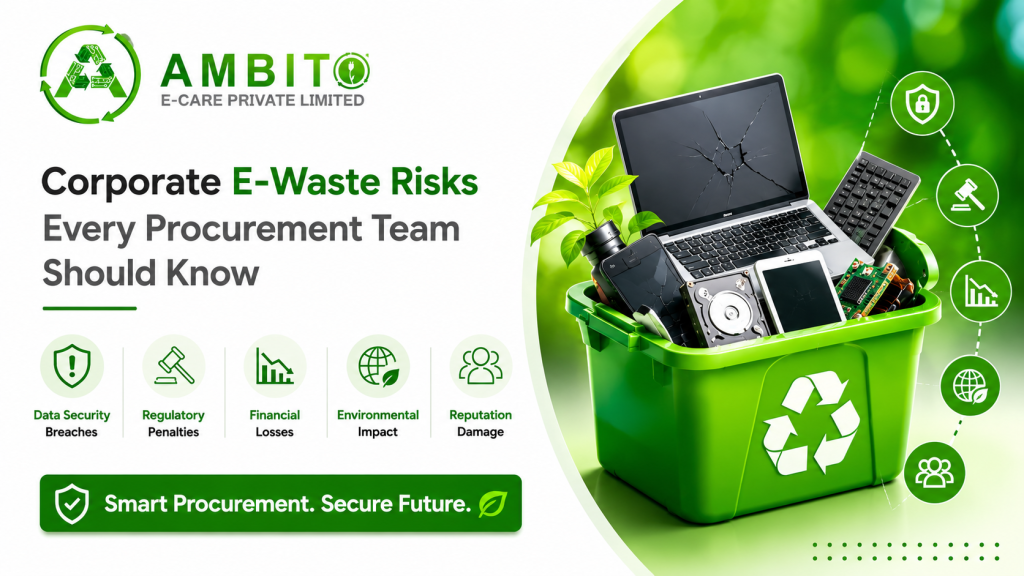
Building an Effective Enterprise E-Waste Process
A successful enterprise e-waste process begins with clear policies and standardized procedures. Every stage of the IT asset lifecycle should be documented, from asset retirement to final recycling.
An effective process includes:
- Asset identification and inventory management
- Secure collection and transportation
- Certified data destruction
- Recycling through authorized facilities
- Compliance reporting
- Recycling and destruction certificates
By standardizing these activities, organizations reduce operational risks while ensuring consistency across all locations.
E-Waste Documentation Management Supports Compliance
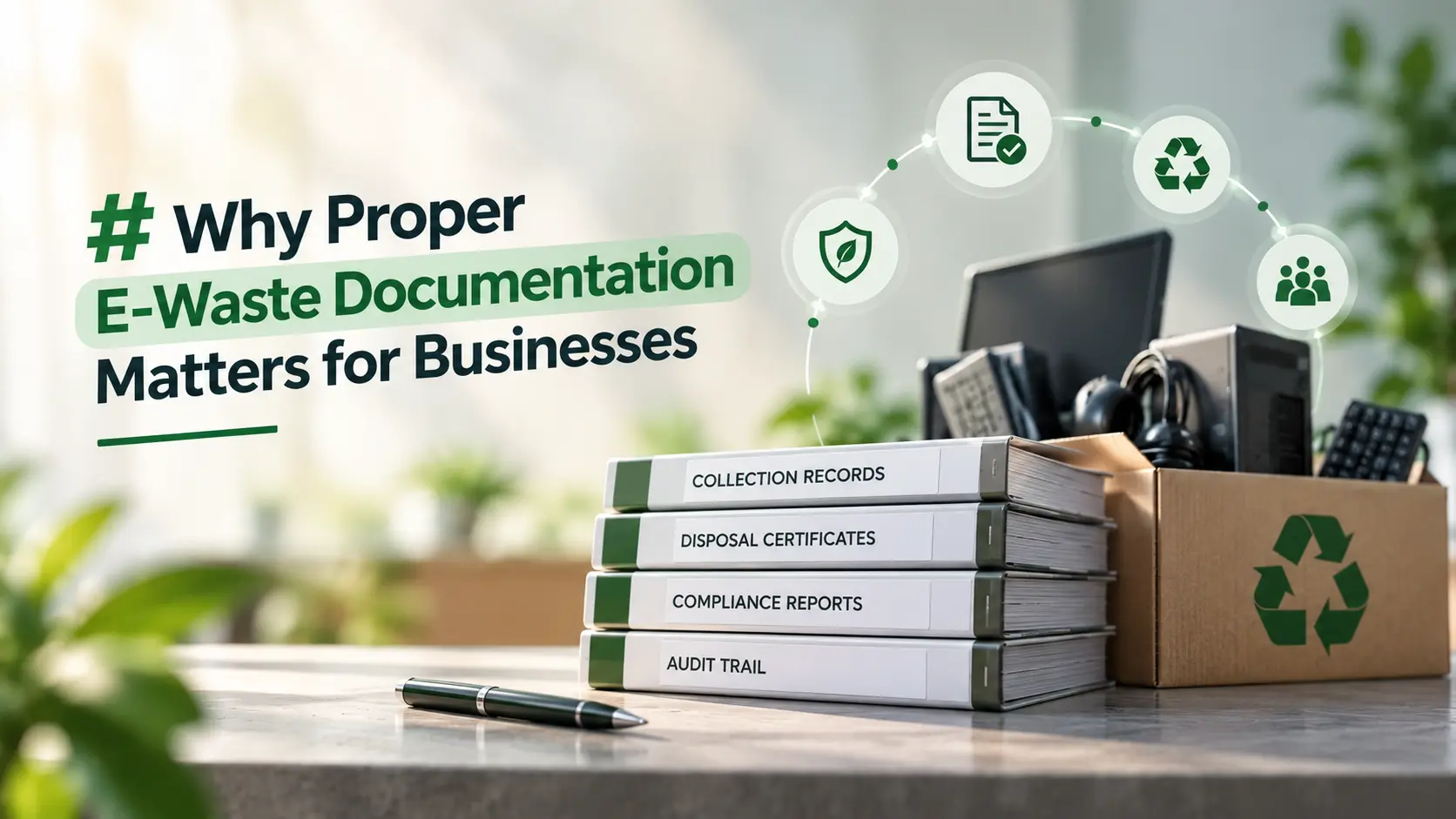
One of the most important components of an audit-ready system is e-waste documentation management. Proper documentation provides evidence that electronic waste has been handled responsibly and in accordance with environmental regulations.
Organizations should maintain:
- Asset disposal inventories
- Collection records
- Transportation logs
- Data destruction certificates
- Recycling certificates
- Compliance reports
- Audit documentation
Well-organized records simplify inspections and help businesses demonstrate accountability during regulatory reviews.
Strengthening IT Asset Disposal Governance
Strong IT asset disposal governance ensures that organizations manage obsolete technology through defined policies and internal controls.
Governance should include:
- Standard operating procedures for disposal
- Assigned responsibilities for asset retirement
- Secure chain-of-custody protocols
- Regular compliance audits
- Vendor performance evaluations
- Continuous process improvement
A governance framework reduces inconsistencies while ensuring every retired asset is processed securely and responsibly.
Best Practices for Creating an Audit-Ready Electronic Waste Management System
Organizations seeking to implement the best practices for creating an audit-ready electronic waste management system should focus on consistency, documentation, and compliance.
Recommended best practices include:
- Maintain a centralized inventory of retired IT assets.
- Develop standardized disposal procedures.
- Perform certified data destruction before recycling.
- Partner only with authorized e-waste recyclers.
- Preserve all compliance documentation and certificates.
- Conduct periodic internal audits of disposal activities.
- Track every asset until final recycling is completed.
- Integrate e-waste management into ESG and corporate governance programs.
These practices improve operational efficiency while supporting regulatory readiness.
Complete EPR Management & Compliant Recycling
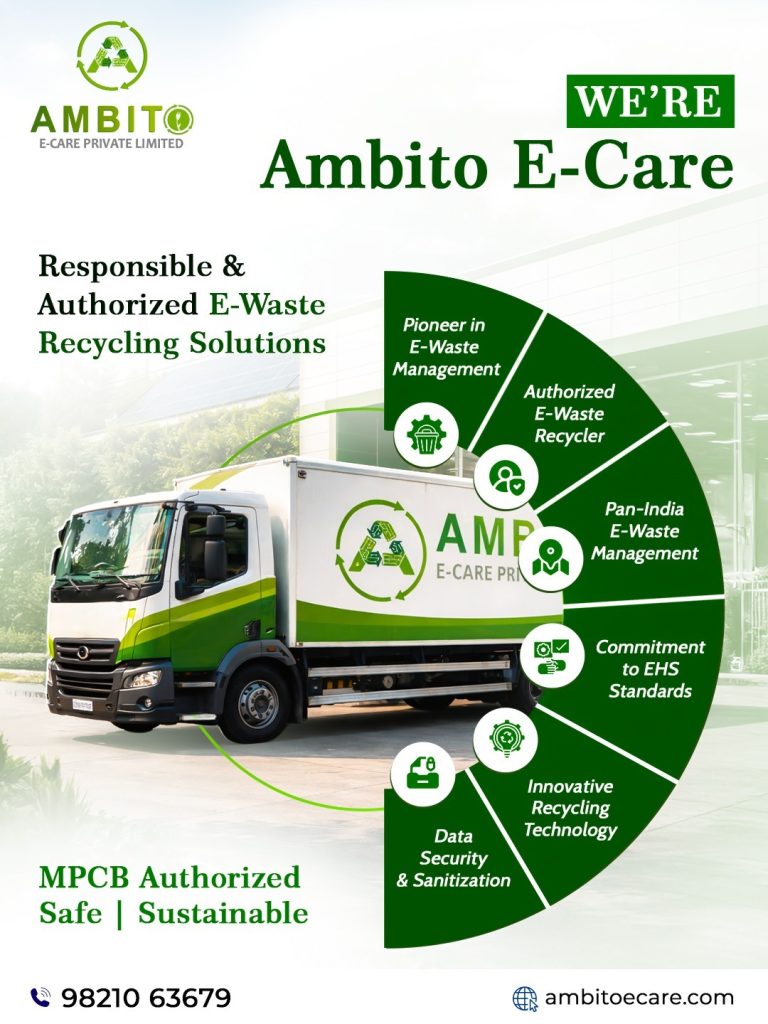
An audit-ready e-waste process requires comprehensive support beyond simple recycling. Ambito E-Care provides Complete EPR Management & Compliant Recycling, helping businesses manage collection, secure processing, documentation, reporting, and certification through a single integrated solution.
This approach simplifies compliance while strengthening transparency and environmental responsibility.
Pan-India Services for Large Enterprises
Organizations operating across multiple offices require a reliable partner capable of delivering consistent services nationwide. Ambito E-Care offers Pan-India Services, enabling businesses to implement standardized e-waste management processes across all locations.
As an MPCB-Approved E-Waste Recycler, Ambito E-Care specializes in recycling desktops, laptops, servers, mobile phones, tablets, routers, modems, PCBs, cables, keyboards, mice, USB devices, and other electronic waste.
The company is Committed to Compliance, Sustainability, and Responsible Recycling, helping organizations maintain audit-ready operations while protecting the environment.
Conclusion
An effective Audit-Ready E-Waste Process is essential for large organizations seeking to strengthen governance, maintain regulatory compliance, and improve sustainability performance. By implementing a structured enterprise e-waste process, improving e-waste documentation management, strengthening IT asset disposal governance, and following the best practices for creating an audit-ready electronic waste management system, businesses can confidently prepare for audits while minimizing operational risks.
Partnering with an MPCB-Approved E-Waste Recycler like Ambito E-Care provides organizations with Complete EPR Management & Compliant Recycling, Pan-India Services, and a trusted partner Committed to Compliance, Sustainability, and Responsible Recycling. Together, these capabilities help businesses build a secure, compliant, and environmentally responsible e-waste management program for the future.