Sustainability Doesn’t End When Technology Becomes Old
Businesses today invest significant effort in reducing their environmental impact. They adopt energy-efficient systems, reduce paper consumption, improve resource efficiency, and introduce greener workplace practices. However, one area that can easily be overlooked is what happens when corporate technology reaches the end of its useful life.
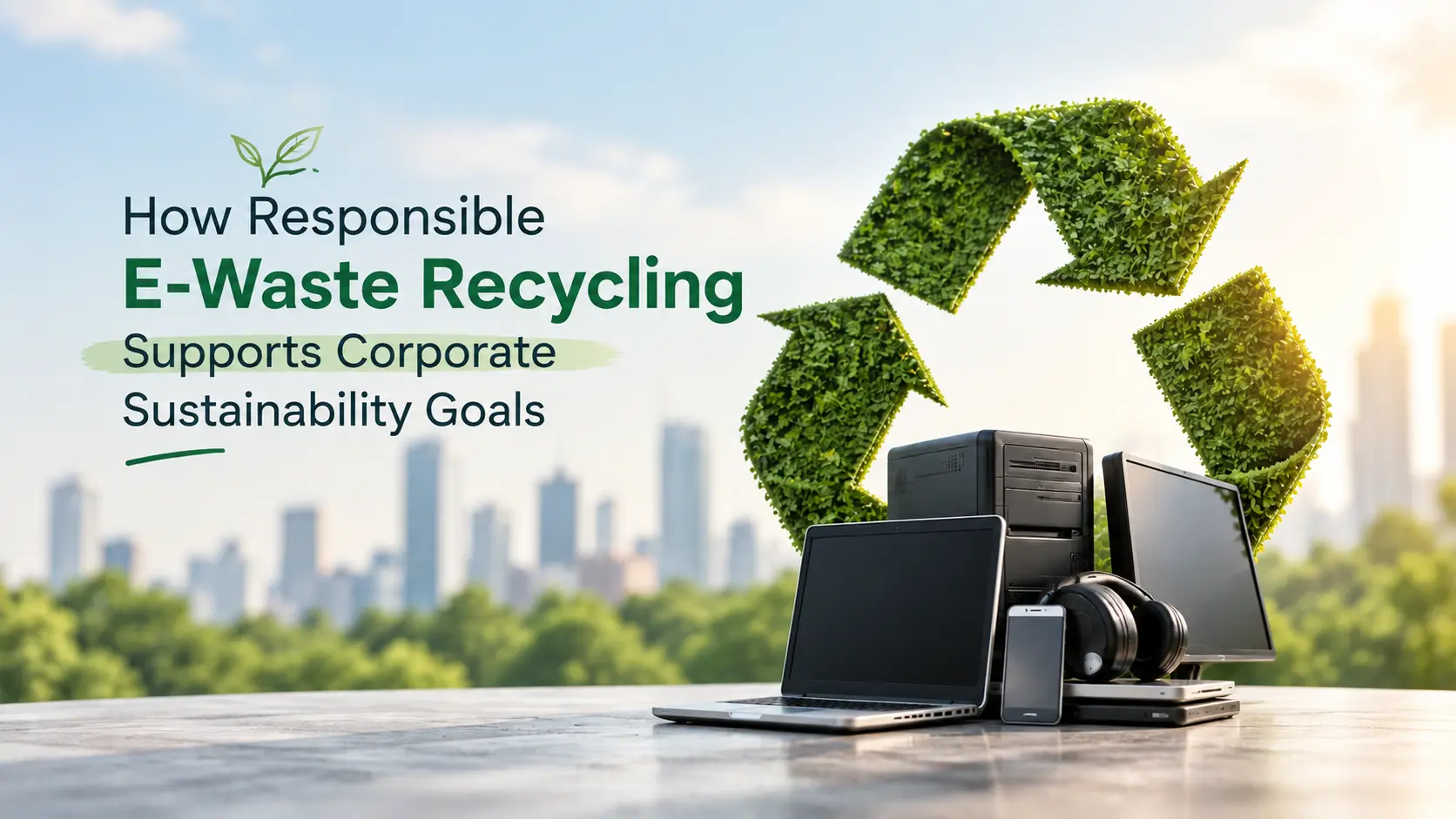
Laptops, desktops, servers, mobile devices, and other electronics eventually need to be replaced. Responsible e-waste recycling ensures that these retired assets become part of a structured end-of-life process rather than simply becoming another waste management problem.
For businesses, this makes e-waste an important part of corporate sustainability and long-term environmental planning.
Turning Retired Technology Into Recoverable Resources
Electronic equipment contains a combination of metals, plastics, circuit boards, glass, and other materials. When old devices are handled through inappropriate disposal channels, valuable resources may be lost.
Through responsible e-waste recycling, electronic equipment can be systematically processed to support material recovery and appropriate treatment of different components.
This approach supports a more circular use of resources. Instead of viewing retired technology only as waste, businesses can help ensure that recoverable materials are directed back into appropriate recycling streams.
That makes sustainable e-waste management an important part of resource conservation.
Connecting E-Waste With Corporate Sustainability Goals
Sustainability goals are most effective when they are integrated into everyday business operations. The management of retired IT equipment is one area where companies can create measurable and organized environmental practices.
A structured corporate e-waste program can help businesses:
- Improve accountability for retired electronic assets
- Support responsible resource recovery
- Reduce inappropriate disposal practices
- Maintain recycling and compliance documentation
- Strengthen internal sustainability initiatives
- Create consistent processes across business locations
By making corporate e-waste recycling part of their overall sustainability strategy, organizations can take a more complete approach to managing their environmental responsibilities.
ESG and E-Waste: Why Accountability Matters
The connection between ESG and e-waste is becoming increasingly relevant for organizations that track and report their environmental practices.
Responsible handling of retired electronics can support broader environmental objectives by demonstrating that the organization has established processes for managing technology at the end of its life.
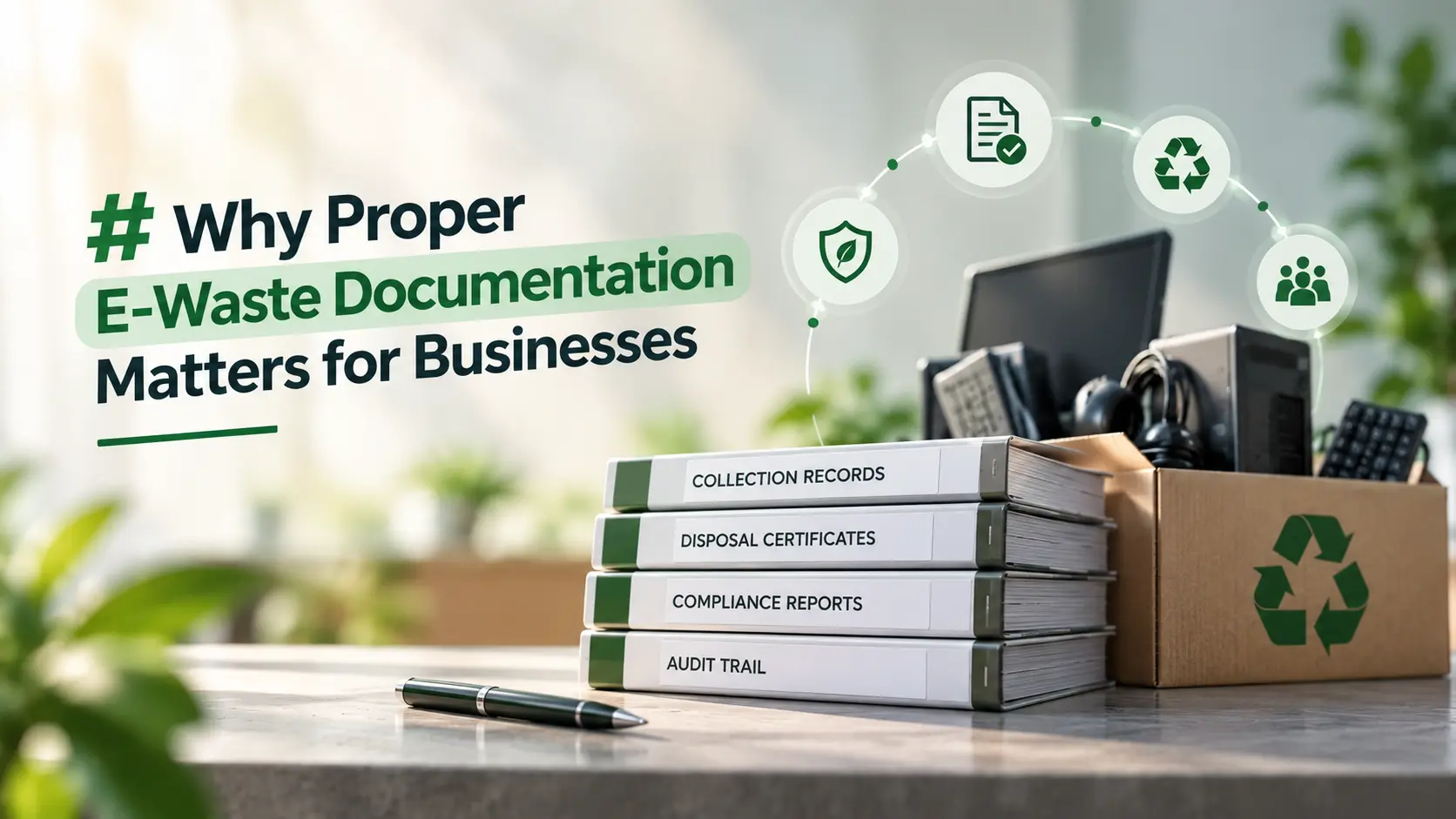
Documentation also plays an important role. Records relating to collection, recycling, and final processing can provide useful information for internal sustainability reviews and ESG-related reporting.
However, sustainability claims should always be supported by genuine processes and reliable records. Simply calling a disposal activity “green” is not enough without accountability behind it.
Responsible Recycling Supports Better Green Business Practices
Many green business practices focus on reducing consumption. Responsible technology management adds another important dimension: managing what businesses already own when it is no longer required.
Organizations can improve their approach by considering reuse or refurbishment where appropriate and ensuring that end-of-life devices enter responsible recycling channels.
This creates a practical connection between IT management and environmental responsibility.
Choosing the Right Recycling Partner
A sustainability strategy is only as strong as the processes supporting it. Businesses should work with an appropriate recycling partner capable of providing secure handling, responsible processing, and relevant documentation.
An MPCB-Approved E-Waste Recycler can help organizations manage electronic assets through structured and compliant recycling processes while supporting their sustainability objectives.
For companies operating across multiple locations, standardized Pan-India Services can also help maintain consistency in corporate e-waste management.
Frequently Asked Questions
Q1. How does e-waste recycling support corporate sustainability?
Ans: It helps businesses recover valuable resources, reduce improper disposal, and strengthen environmental practices.
Q2. What is the connection between ESG and e-waste?
Ans: Responsible e-waste management can support environmental goals by providing structured recycling processes and documented records.
Q3. How can businesses improve sustainable e-waste management?
Ans:Businesses can use responsible recycling channels, maintain proper documentation, and work with an authorized e-waste recycler.
Conclusion: Make E-Waste Part of Your Sustainability Strategy
Technology will continue to evolve, and businesses will continue to replace old equipment. The important question is whether those retired assets are managed responsibly.
Responsible e-waste recycling gives organizations an opportunity to connect IT asset disposal with resource recovery, environmental responsibility, compliance, and corporate sustainability.
Ambito E-Care supports businesses in building a more sustainable approach to electronic waste management. As an MPCB-Approved E-Waste Recycler, Ambito E-Care provides Pan-India Services for the secure handling and responsible recycling of electronic equipment.
With Complete EPR Management & Compliant Recycling, Ambito E-Care helps organizations strengthen sustainable e-waste management practices while remaining committed to Compliance, Sustainability, and Responsible Recycling.