Corporate E-Waste Is Not Just an IT Department Problem
Every time a business upgrades laptops, replaces servers, or issues new mobile devices, it creates a question that often receives attention too late: what happens to the old equipment?
Effective corporate e-waste management is not simply about arranging a pickup when storage rooms become full. It is about creating a clear system for managing electronic assets from retirement through secure handling, recycling, documentation, and compliance.
For modern organizations, a responsible approach can support data security, operational accountability, environmental goals, and corporate sustainability at the same time.
Start by Building an E-Waste Policy
A strong electronic waste program begins with internal responsibility. Businesses should establish clear guidelines for what happens when IT equipment reaches the end of its useful life.
An effective policy can define:
- Which devices are covered
- Who approves asset retirement
- How retired equipment is stored
- Data security requirements
- Who manages disposal records
- Which recycling partners can be used
This creates consistency and prevents corporate e-waste disposal from becoming an unplanned activity handled differently by each department.
Think Beyond Disposal: Manage the Entire Asset Lifecycle
Good electronic waste management starts before equipment becomes waste. Organizations should maintain visibility over their technology assets throughout their working life.
When devices are retired, businesses can first assess whether they are suitable for reuse, refurbishment, or responsible recycling. Equipment that has reached its true end of life should then enter an appropriate business e-waste recycling process.
This lifecycle approach helps organizations reduce unnecessary waste while improving control over valuable IT assets.
Make Data Security Part of the Process
Retired electronics can still hold sensitive business information. Laptops, desktops, servers, mobile devices, and storage media may contain confidential data even after they are no longer being used.
For this reason, responsible e-waste disposal should include appropriate data sanitization or destruction before final recycling. Businesses should also maintain records confirming how sensitive information was handled.
Data security and environmental responsibility should work together—not as separate processes.
Choose the Right Recycling Partner
An authorized e-waste recycler plays an important role in helping businesses manage compliance and responsible processing.
Before selecting a partner, organizations should understand whether the provider can support secure collection, transportation, data destruction, recycling, and compliance documentation.
For businesses with multiple locations, standardized processes can also make corporate e-waste management easier to control across offices.
Connect E-Waste Management With Sustainability Goals
Responsible technology disposal can contribute directly to broader corporate sustainability initiatives. Proper recycling supports resource recovery, reduces the amount of electronic waste entering inappropriate disposal channels, and encourages a more circular approach to technology.
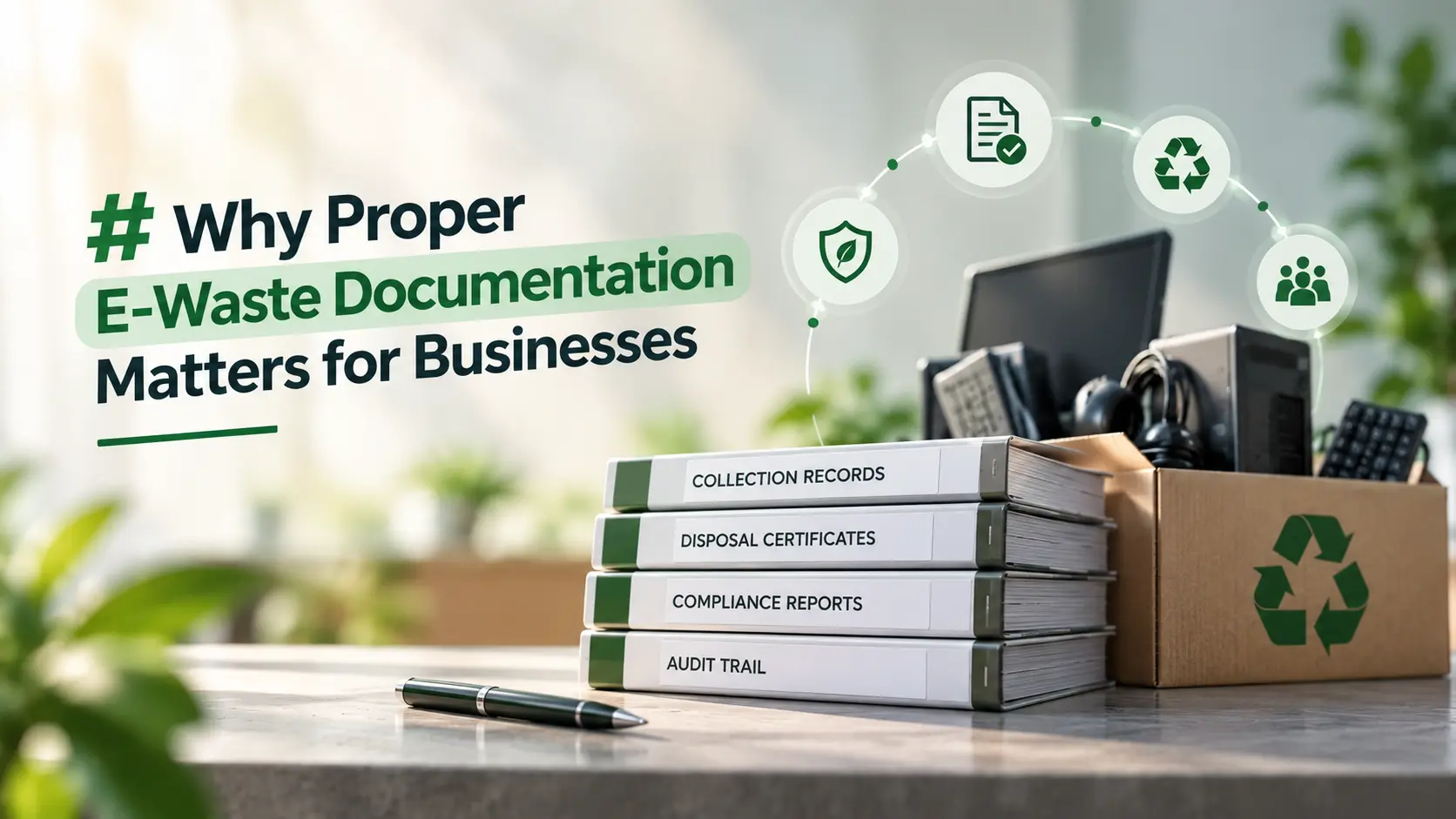
Organizations can also use proper documentation and reporting to support environmental audits, ESG initiatives, and internal sustainability programs.
Don’t Overlook EPR Management and Compliance
For many organizations, managing electronic waste involves more than collecting old devices. EPR management and compliant recycling requirements may also require proper coordination, documentation, reporting, and certified processing.
Working with an experienced recycling partner can simplify these responsibilities and help businesses maintain a more transparent and accountable process.
Build a System That Works for the Long Term
The most successful corporate e-waste management programs are not reactive. They are built into the way an organization manages technology.
A practical long-term system should focus on asset tracking, secure retirement, responsible recycling, proper documentation, and regular review. This allows businesses to manage growing volumes of electronic waste without compromising security, compliance, or sustainability.
Conclusion: Responsible E-Waste Management Starts With the Right Approach
Managing corporate electronics responsibly requires more than finding someone to collect old devices. A structured approach to corporate e-waste disposal, data security, compliance, and business e-waste recycling helps organizations turn a potential operational risk into a well-managed sustainability practice.
Ambito E-Care supports organizations across India with secure and systematic electronic waste solutions. As an MPCB-Approved E-Waste Recycler, Ambito E-Care provides Pan-India Services and supports the responsible handling of a wide range of IT and electronic equipment. Its solutions include secure collection, data destruction and sanitization, compliant recycling, documentation, and Complete EPR Management & Compliant Recycling.
Committed to Compliance, Sustainability, and Responsible Recycling, Ambito E-Care helps businesses build a more responsible and structured approach to managing electronic waste.