Understanding EPR in E-Waste Management
As organizations and individuals buy more electronic items, the management of the end-of-life of those products has become increasingly critical. This is where EPR in e-waste management is playing a crucial role.
EPR stands for Extended Producer Responsibility. Essentially, it holds producers of electrical and electronic equipment accountable for meeting their commitments on end-of-life disposal of devices subject to the appropriate e-waste legislation.
For companies involved in the production, import, sale or administration of electronic equipment, knowing about EPR management can be a critical feature of maintaining a responsible and compliant approach to electronic waste.
What Does Extended Producer Responsibility Mean?
The underlying concept behind Extended Producer duty is simple: the duty for electronic items should not cease at the point of sale.
EPR offers a system for connecting producers with the correct collection and recycling of end-of-life electronic equipment. India’s E-Waste (Management) Rules, 2022 are based on the EPR framework to ensure the proper e-waste to be channelized through registered recyclers and treated in an environmentally sound way.
This strategy promotes increased accountability on the part of organizations about the environmental impact of electronics throughout the lifecycle of the products.
Who Should Pay Attention to E-Waste EPR Compliance?
E-waste EPR compliance is particularly relevant to organizations that fall within the categories covered by applicable e-waste regulations.
Depending on their role and activities, businesses may need to understand requirements relating to:
- Registration or authorization requirements
- EPR obligations and targets
- EPR certificates
- Record keeping and reporting
- Channelising e-waste through appropriate recycling channels
- Working with registered or authorized recyclers
Because compliance responsibilities can vary based on an organization’s role, businesses should understand the regulations applicable to their specific operations.
Why Is EPR Management Important for Businesses?
Effective EPR management is not only about meeting regulatory requirements. It can also help businesses create a more organized approach to managing electronic waste.
A structured process can support:
- Better Compliance Management
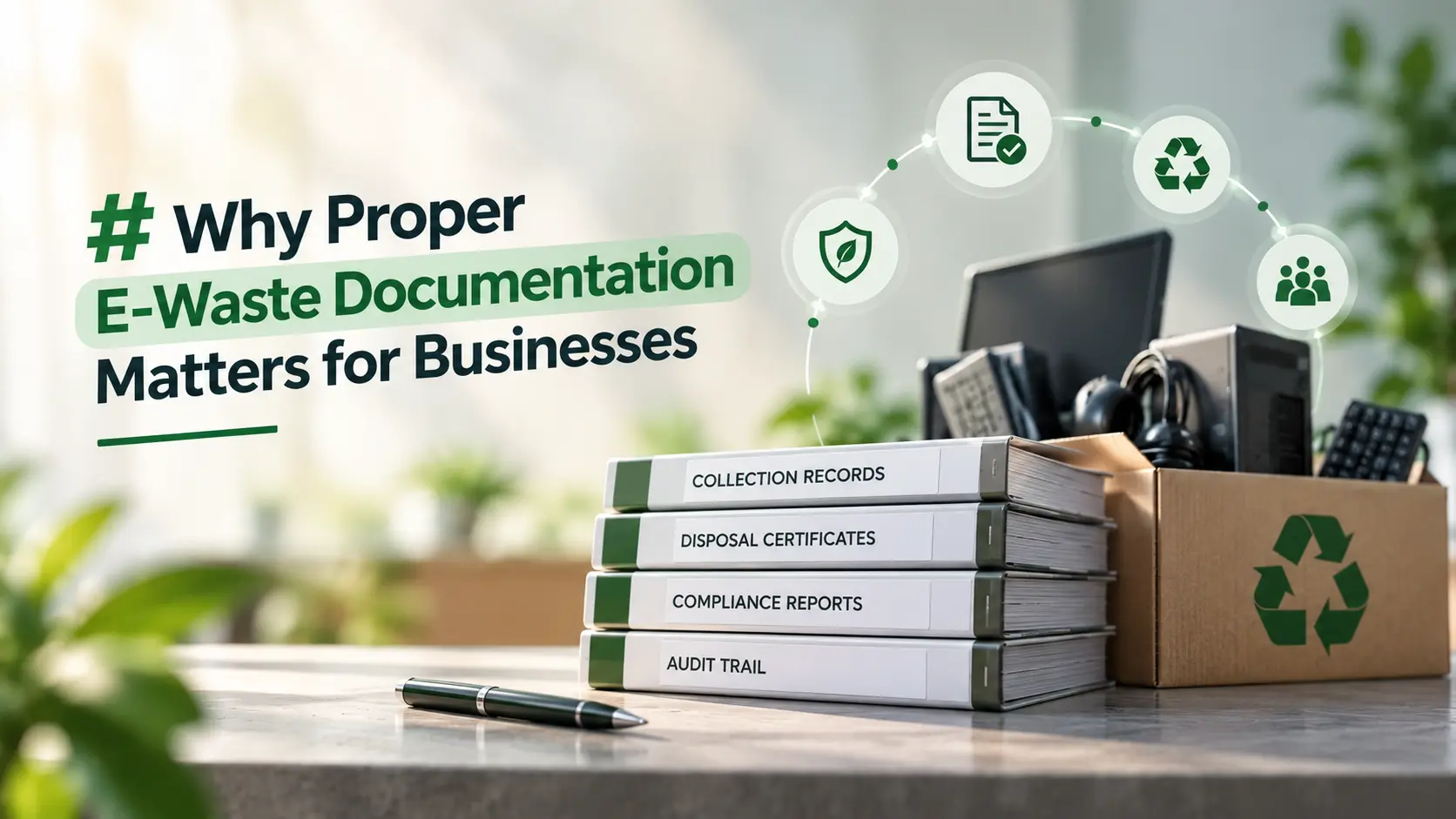
Proper records, reporting, and recycling documentation can help organizations demonstrate a systematic approach to e-waste management compliance.
- Responsible Recycling
Working with an appropriate recycler helps ensure that electronic waste is directed toward responsible e-waste recycling rather than informal disposal channels.
- Improved Environmental Accountability
EPR supports resource recovery and encourages businesses to consider the environmental impact of electronic products after their useful life.
- Greater Transparency
Documentation and certification can provide better visibility into how electronic waste has been managed and processed.
EPR Authorization and the Role of Recycling Partners
EPR authorization is a term that businesses often use when talking about their regulatory obligations. However, the EPR standards and registrations are based on the position of an entity in the e-waste ecosystem.
That’s why selecting the right recycling partner might be vital. An experienced and authorized recycler can assist with the collection, recycling, paperwork and compliance processes required for safe e-waste management.
This will make it easier for business companies to manage retired IT equipment and keep better track of it and maintain better records.
Building a Responsible E-Waste Strategy
For a practical e-waste plan, compliance has to be linked to responsible operations. First, businesses can determine what their responsibilities are, keep good records and ensure that end-of-life electronics are properly managed.
Key elements include:
- Understanding applicable EPR obligations
- Maintaining accurate documentation
- Managing electronic waste responsibly
- Working with an authorized recycling partner
- Supporting compliant recycling and sustainability goals
Frequently Asked Questions
Q1. What is EPR in e-waste management?
Ans: EPR (Extended Producer Responsibility) makes producers responsible for managing the end-of-life of electronic products.
Q2. Who needs to comply with e-waste EPR requirements?
Ans: Businesses involved in producing, importing, or selling electronic equipment may have EPR obligations.
Q3. Why is EPR important for businesses?
Ans: EPR helps businesses manage e-waste responsibly while supporting regulatory compliance.
Q4. How can businesses manage e-waste responsibly?
Ans: Businesses can use authorized recycling channels and maintain proper EPR documentation.
Conclusion: Making EPR Part of Responsible Business Practices
Knowledge of EPR in e-waste management enables firms to move beyond simple disposal and adopt a more systematic approach to electronic waste management. The right methods, documentation and recycling support can help firms strengthen their compliance and sustainability initiatives.
Ambito E-Care supports businesses with Complete EPR Management & Compliant Recycling, helping organizations manage electronic waste through systematic collection, secure handling, recycling, documentation, and certification. Ambito E-Care is an E-Waste Recycler approved by MPCB, providing services across India and promotes appropriate management of e-waste for a wide spectrum of electronic equipment.
Committed to Compliance, Sustainability and Responsible Recycling to assist companies adopt a more transparent and accountable approach to electronic waste management.