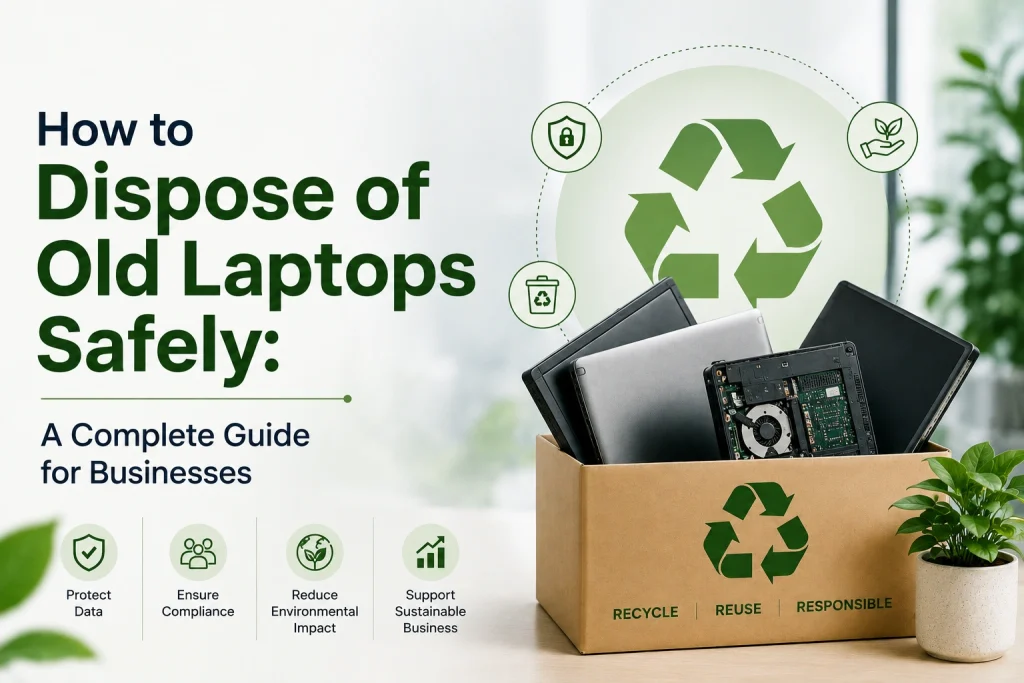
When a Laptop Reaches the End of Its Business Life, What Happens Next?
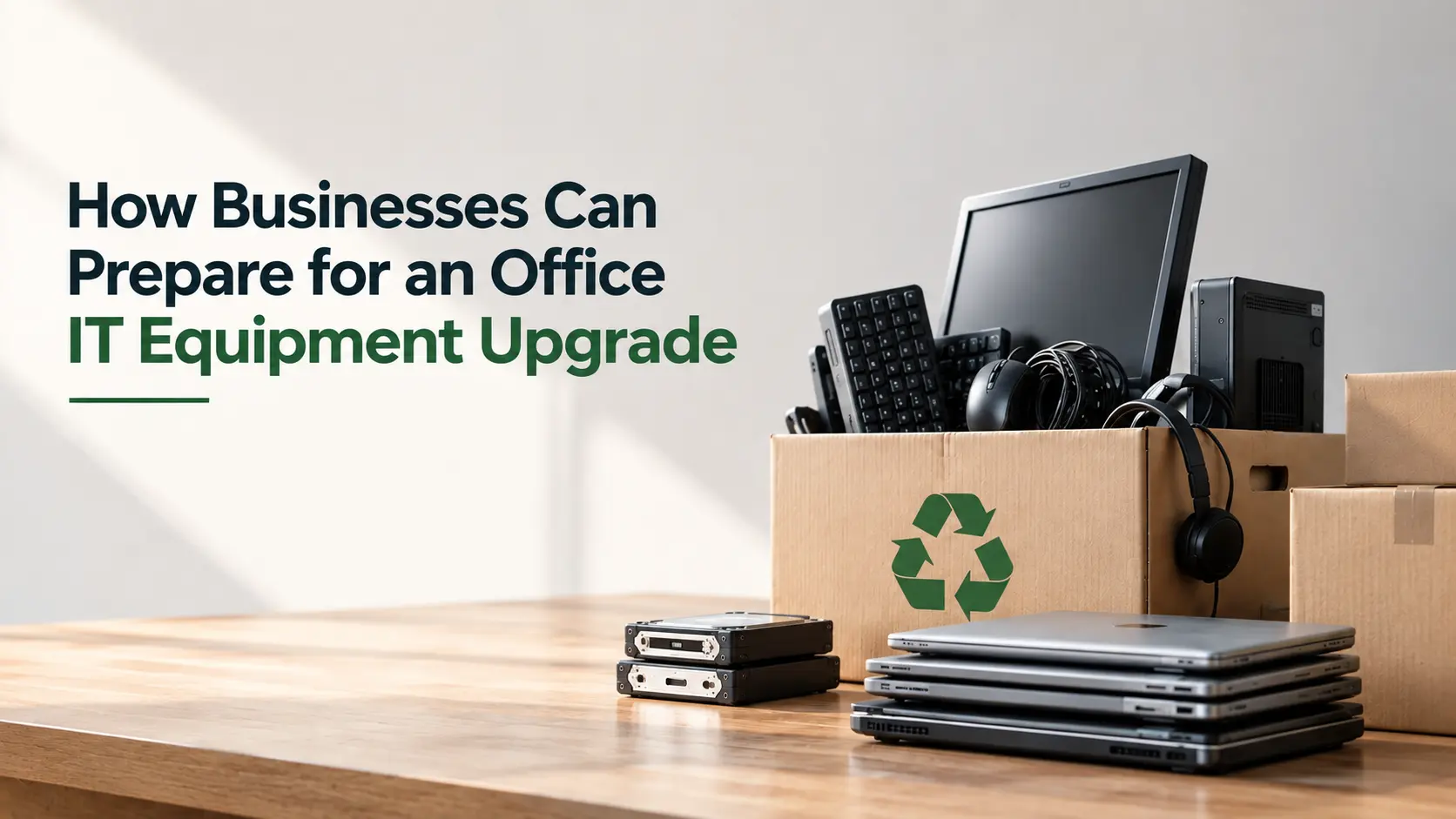
Every technology upgrade creates a familiar challenge for businesses: a stack of old laptops waiting for a decision. Some devices may still work, others may contain sensitive company data, and some may no longer be suitable for business use.
Knowing how to dispose of old laptops is therefore about much more than simply getting rid of outdated equipment. Businesses need to consider data security, asset accountability, compliance, and environmental responsibility before a device leaves their control.
The right approach to old laptop disposal begins with one important question: Is the laptop ready to be retired, or does it still have a useful second life?
First, Decide: Reuse, Refurbish, or Recycle?
Not every old laptop should immediately enter the recycling stream. Businesses can evaluate devices based on their condition and performance.
A laptop may be suitable for:
- Reuse within the organization for less demanding tasks
- Refurbishment if it can be restored and used again
- Donation through responsible programs, where appropriate
- Recycling when the device is obsolete, damaged, or beyond practical use
This assessment helps companies make smarter decisions about corporate laptop recycling while reducing unnecessary electronic waste.
The Biggest Risk Is Often the Data Inside
An old laptop may look like a piece of outdated hardware, but its storage drive can contain years of business information. Employee records, financial documents, customer information, passwords, and internal files may still remain on the device.
That is why secure laptop disposal should always include a proper data destruction strategy.
Simply deleting files is not the same as permanently removing information. Depending on company policies and security requirements, businesses may require professional data wiping or physical destruction of storage media.
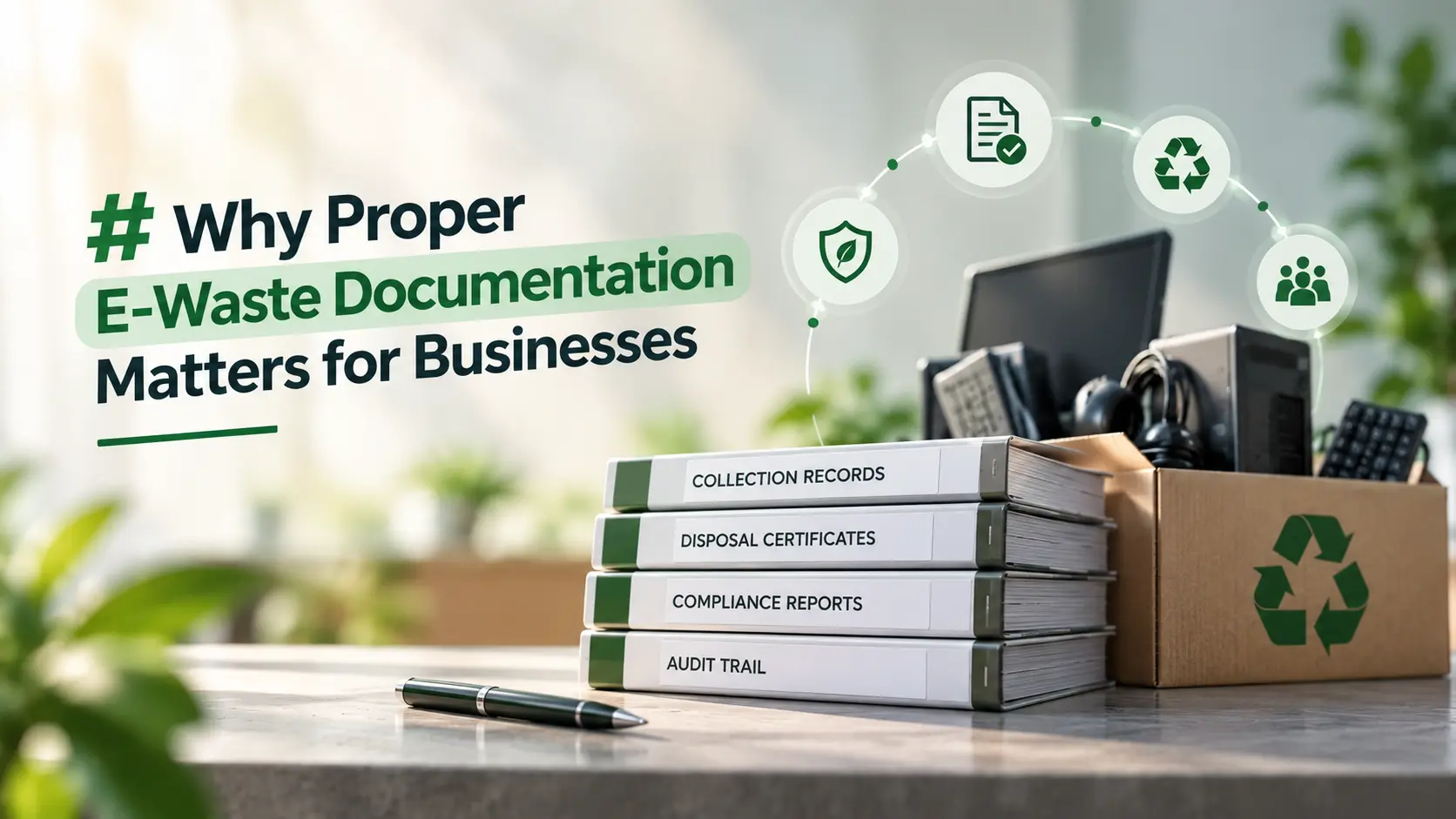
A reliable disposal process should also provide documentation or certification, creating a clear record that sensitive data has been securely handled.
What Should Happen After the Laptop Leaves Your Office?
One common mistake businesses make is focusing only on what happens before collection. However, secure handling should continue throughout the entire disposal journey.
When organizations need to dispose of old computers and laptops in bulk, they should look for a process that provides:
- Tracked collection and transportation
- Secure handling of IT assets
- A documented chain of custody
- Appropriate data destruction procedures
- Responsible processing of electronic components
- Compliance and recycling documentation
This visibility is particularly important for companies managing laptops across multiple offices and locations.
Why Laptop Recycling Matters
Laptops contain materials such as metals, plastics, circuit boards, and batteries that require appropriate processing. Improper disposal can create environmental risks and result in valuable materials being lost.
Professional e-waste recycling allows electronic equipment to be systematically processed, supporting material recovery while ensuring components are handled responsibly.
For organizations, laptop recycling for businesses is also an opportunity to connect IT asset retirement with broader sustainability and compliance goals.
A Responsible End to Every IT Asset
The best way to approach how to dispose of old laptops is to treat disposal as part of the complete IT asset lifecycle. From the moment a laptop is retired until its final processing, businesses should know where the device is and how it is being handled.
Ambito E-Care supports organizations with secure and responsible solutions for electronic waste and IT asset disposal. As an MPCB-Approved E-Waste Recycler, Ambito E-Care provides Pan-India Services for the systematic handling and recycling of laptops and other electronic equipment.
With Complete EPR Management & Compliant Recycling, secure handling, data destruction support, and transparent documentation, Ambito E-Care remains committed to Compliance, Sustainability, and Responsible Recycling—helping businesses give their retired technology a responsible end-of-life journey.